Choosing the Right Storage Boxes for Commercial and Industrial Use
When you run a commercial kitchen, a warehouse, or a production line, the storage boxes you choose can either streamline your workflow or create a constant source of frustration. Plastic containers seem simple enough, but the differences between a thin, flimsy bin and a well-designed, heavy-duty box show up every day in how easily they stack, how well they protect contents, and how long they last before cracking or warping. For a Singapore supplier serving both food businesses and industrial operations, the right storage solutions have to handle heat, humidity, and heavy use.
Why Material Matters in Commercial Storage
The first thing to understand is that not all plastics are the same. In commercial storage, you will see polypropylene boxes, HDPE containers, and sometimes clear plastic boxes made from PET or SAN. Each material has a specific set of strengths. Polypropylene is tough, resists chemicals, and can take some heat without deforming. HDPE is even more impact-resistant and is often used for heavy-duty boxes that get stacked high or moved around on forklifts. Clear plastic boxes are useful when you need to see the contents quickly, but they may not be as durable as the opaque alternatives.
Food-grade containers add another layer of requirement. If you are storing ingredients, prepared food, or anything that comes into contact with edibles, the plastic must be certified food-grade. That means it will not leach chemicals, it will not absorb odors easily, and it can be cleaned thoroughly. A Singapore supplier that specializes in food-grade containers typically stocks materials that meet international food safety standards. For a bakery or a central kitchen, this is non-negotiable.
Stacking and Nesting: The Practical Side
One of the biggest operational headaches in any commercial space is inefficient use of vertical space. That is where stackable bins and nesting containers come into play. Stackable bins are designed with reinforced rims and interlocking lids so you can build stable columns without worrying about the bottom boxes collapsing under the weight. This is especially important in a walk-in chiller or a dry storage room where floor space is limited.
Nesting containers, on the other hand, are the opposite: they taper slightly so that when they are empty, one fits inside another. This saves a lot of space when you are storing the containers themselves between uses. A good set of nesting containers can reduce the storage footprint of your empty bins by half or more. For a busy kitchen or a warehouse that has to keep a large inventory of containers on hand, this is a real advantage.
When you are selecting storage boxes for a commercial setting, pay attention to the lid design. Container lids can be snap-on, press-fit, or hinged. Snap-on lids seal tightly and are good for dry goods or for keeping pests out. Press-fit lids are easier to remove and replace quickly, which matters in a fast-paced environment. Hinged lids are less common for bulk storage but can be useful for bins that are accessed frequently throughout the day.
Load Capacity and Handling
Heavy-duty boxes are built for weight. A typical heavy-duty polypropylene box might hold 30 to 50 kilograms when properly supported, but the real test is how it handles being carried when full. Look for boxes with reinforced rims and sturdy handholds. Some designs include metal reinforcement bars under the rim, which adds a lot of strength for heavy loads. If you are moving boxes of raw ingredients or finished product around a warehouse, the handle design matters as much as the wall thickness.
Bulk storage in large bins is common in industrial settings. These bins often have capacities of 50 liters or more and are used for storing grains, powders, or small parts. The best bulk storage bins have smooth interiors that are easy to wipe down, and they come with tight-fitting lids that prevent contamination. For a food packaging operation, sealed containers are essential for keeping moisture and pests out of bulk ingredients.
Food Packaging and Storage Boxes
In the food industry, the line between packaging and storage can blur. Many businesses use the same containers for both in-process storage and final product holding. That is why food-grade containers are designed to withstand repeated washing and thermal shock. A polypropylene box that is used to hold hot soup in a commercial kitchen may later be washed in a high-temperature dishwasher and then used to store dry pasta. The material has to handle that cycle without cracking or warping.
Clear plastic boxes are popular in food prep areas because staff can see what is inside without opening the lid. This reduces the time the container is open and helps maintain temperature control. However, clear plastics can be more prone to scratching, which can lead to clouding over time. For long-term use, many operators prefer translucent polypropylene boxes that offer a good balance of visibility and durability.
When you are sourcing storage boxes for a commercial kitchen or a food processing facility, check whether the containers are microwave-safe and freezer-safe. Some polypropylene boxes can go from the freezer to the microwave without damage, which is a big timesaver in a busy kitchen. But not all plastic containers can handle that range, so it is worth verifying the temperature ratings.
Warehouse Bins and Industrial Storage
For warehouse environments, the requirements shift. Warehouse bins are often larger and designed to be moved by pallet jack or forklift. They may have fork pockets at the base so they can be lifted easily. Heavy-duty boxes in a warehouse setting are usually made from thicker materials, with reinforced corners and a textured surface to prevent slipping when stacked.

One common mistake is using the same type of container for both light-duty and heavy-duty applications. A bin that works fine for storing office supplies may crack under the weight of metal parts or dense food ingredients. It is better to have a range of sizes and grades, so you can match the container to the load. A good Singapore supplier will stock several lines of storage solutions, from lightweight clear plastic boxes for retail displays to industrial-grade HDPE containers for heavy parts.
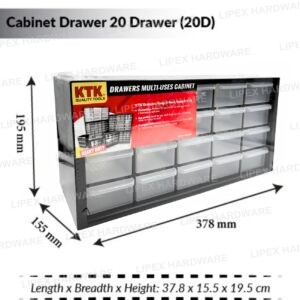
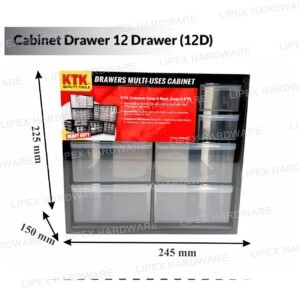
Modular storage systems are another option worth considering. These are boxes that are designed to fit into a frame or a rack, so you can organize a large number of small items in a compact space. Modular storage is common in workshops and maintenance areas where you need to keep fasteners, tools, or spare parts sorted by size and type. The boxes themselves are usually small and stackable, with transparent lids or labels for quick identification.
Choosing the Right Size and Shape
There is no universal best size for storage boxes. The right choice depends on what you are storing and how you handle it. For a bakery, rectangular boxes that fit standard sheet pans are ideal. For a warehouse storing loose parts, square bins that maximize shelf space may work better. It is often worth buying a few sample boxes in different sizes and testing them in your actual workflow before committing to a large order.
Another factor is the shape of the box relative to the storage area. Deep, narrow bins are efficient for storing items that are tall and thin, like bottles or jars. Shallow, wide boxes are better for flat items like boxes of frozen food or sheets of dough. The right match between container shape and product shape reduces wasted space and makes the storage area safer and more organized.
Lids and Accessories
Container lids are not an afterthought. A good lid seals the contents, keeps out contaminants, and allows for stable stacking. Some lids have a gasket or a rubber seal that makes them watertight. Those are useful for storing liquids or for keeping dry goods in humid environments. Other lids have a snap-lock mechanism that secures the lid to the box with a positive click. This is common on stackable bins used in commercial kitchens, where the lid needs to stay on during transport.
Some storage boxes come with accessories like dividers, caster wheels, or label holders. Dividers are helpful for sorting small items within a larger bin. Caster wheels turn a heavy bin into a mobile cart, which can save labor in a warehouse. Label holders make it easy to update the contents without damaging the box. These features add cost, but they can pay for themselves in efficiency gains.
Cleaning and Maintenance
In any commercial setting, storage boxes need to be cleaned regularly. Polypropylene and HDPE are both easy to clean with standard detergents and hot water. They resist stains and odors better than some other plastics. However, they can be scratched by abrasive pads, which creates tiny crevices where bacteria can hide. For food-grade containers, it is best to use soft sponges or cloths and avoid harsh scrubbing tools.
Over time, even the best storage boxes will show wear. Cracks, warped lids, and broken handles are signs that it is time to replace the box. Trying to repair a damaged container is rarely worth the effort, especially for food-grade applications where hygiene is critical. It is better to budget for periodic replacement and keep spares on hand.
The right storage boxes can make a noticeable difference in how smoothly a commercial kitchen or warehouse runs. By matching the material, size, and design to the actual demands of the job, you avoid the small frustrations that add up over a shift. Whether you need stackable bins for a walk-in cooler or heavy-duty boxes for a warehouse, the choices you make today will affect your operation for years to come.